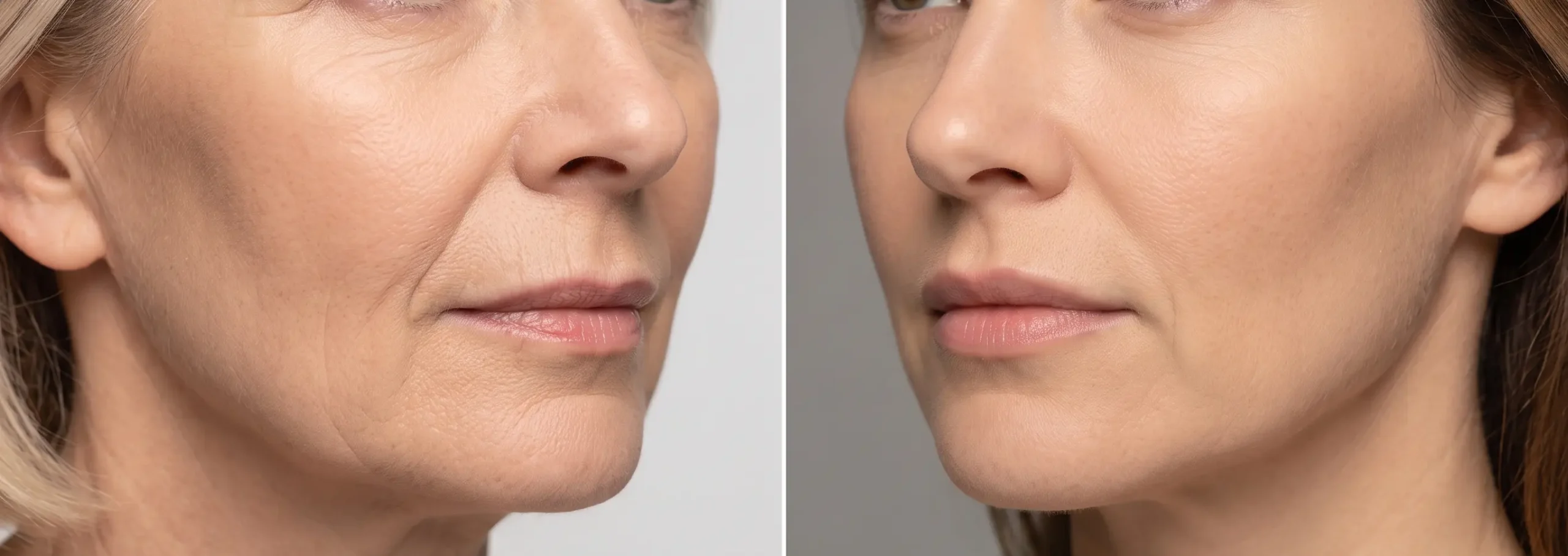
Two of the most common lower-face lines, where they come from, and why the best correction often starts somewhere other than the line itself.
| You catch your reflection in a car window and notice the lower half of your face has started to look heavier. Two sets of lines have appeared. One pair runs from the nose down to the mouth. The other drops from the corners of the mouth toward the chin. You know they were not there a few years ago, and you have started to wonder which one is making you look tired, and whether filler is the fix. The answer depends entirely on telling these two lines apart. |
These lines are cousins, not twins. They sit close together on the lower face and they often appear around the same decade of life, which is why patients tend to fold them into a single complaint. Treating them as the same problem is the most common reason filler in this region ends up looking heavy or unnatural. Dermal fillers in Scottsdale can soften both, yet the placement and the underlying strategy differ for each.
This guide breaks down what each line is and how an experienced injector decides where the filler should actually go.
Where Each Line Sits on the Face
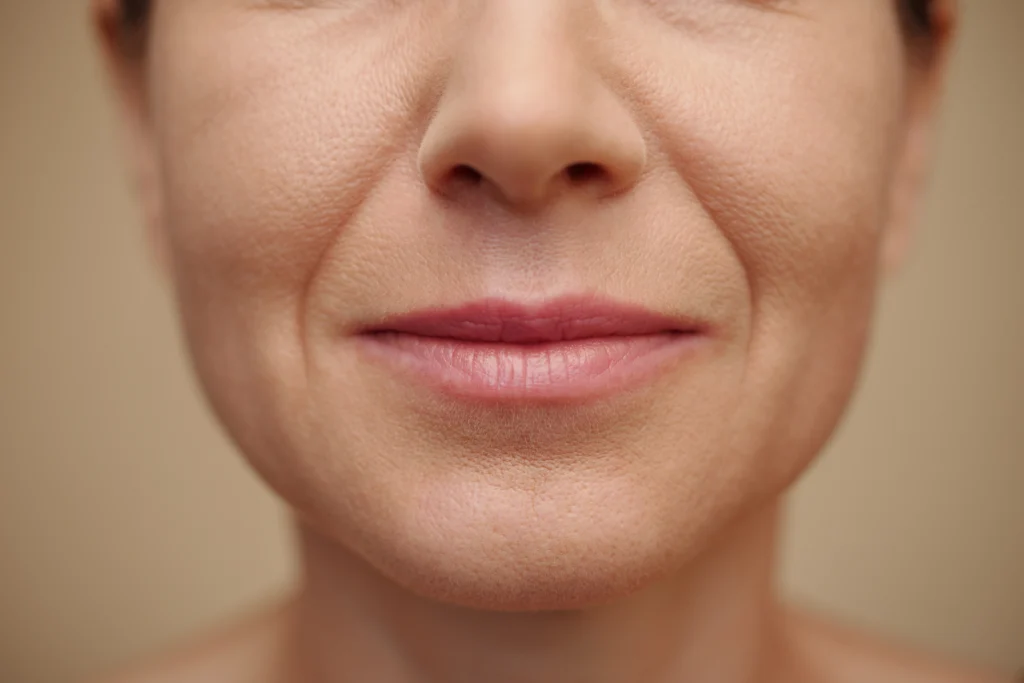
The nasolabial folds are the two creases that run diagonally from the sides of the nose down to the outer corners of the mouth. Almost everyone has them to some degree, even children, because they mark the natural boundary between the cheek and the upper lip. They become a cosmetic concern when they deepen into shadowed grooves that stay visible while the face is completely relaxed.
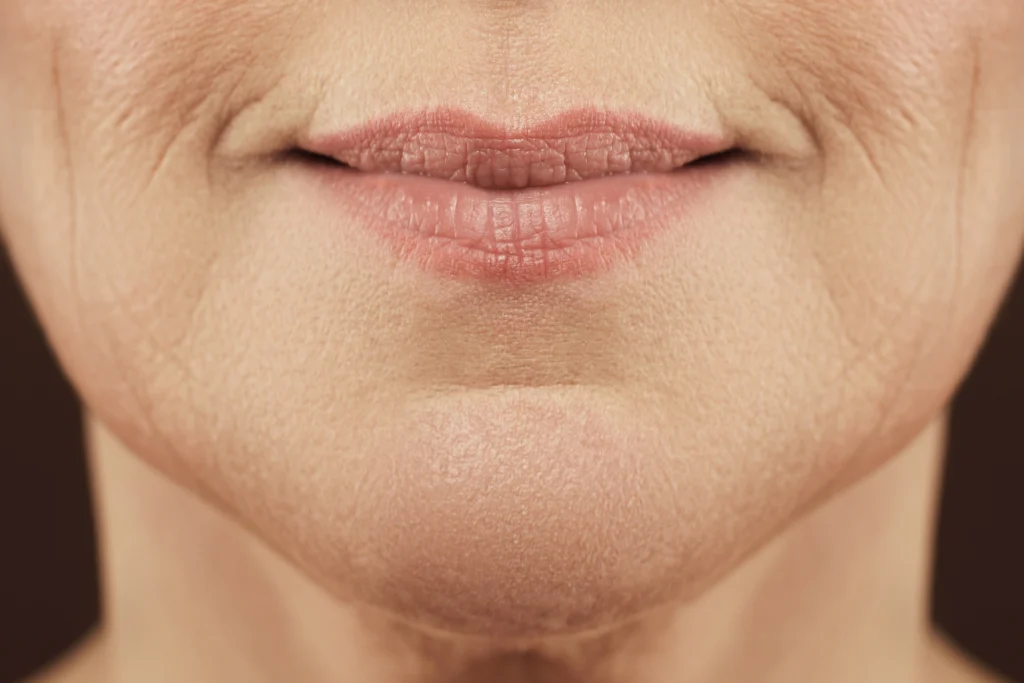
Marionette lines sit lower. They begin at the corners of the mouth and travel straight down toward the jawline, framing the chin on either side. The name comes from the hinged mouth of a marionette puppet, where the lower face looks like a separate moving piece. When these lines deepen, they tug the corners of the mouth downward, giving the face a sad or stern expression even in a neutral resting state.
| WHY THEY OFTEN APPEAR TOGETHER
Both lines share a root cause in the aging midface and lower face. As the cheek loses volume and begins to descend, the tissue it once supported slides downward and collects along these two boundaries. This is why patients who develop prominent nasolabial folds frequently notice marionette lines forming within a few years. Deflation that starts higher up eventually expresses itself lower down. |
Why Nasolabial Folds Form
The nasolabial fold deepens for reasons that have far more to do with the cheek than with the fold itself. In a youthful face, the cheek sits high and full, supported by firm fat pads and dense collagen. That fullness holds the skin taut across the midface and keeps the nasolabial crease shallow.
With age, the deep and superficial fat compartments of the cheek shrink and slide downward. The bone of the midface also resorbs slightly, removing some of the underlying scaffolding. As the cheek deflates and drops, the tissue piles up against the relatively fixed nasolabial crease, deepening the groove and casting a shadow. Repeated smiling adds a dynamic layer, since the muscles that lift the mouth corners crease the skin in the same spot thousands of times a year.
The practical takeaway is that the nasolabial fold is usually a symptom of volume loss in the cheek rather than a problem isolated to the fold. That single fact changes the entire treatment approach, as we will see.
Why Marionette Lines Form
Marionette lines are driven by a combination of descending volume and active muscle pull. As the lower face loses fat and the jawline softens, the tissue around the mouth corners loses its support. Small pockets of sagging tissue, sometimes called jowls in their more advanced form, begin to settle on either side of the chin. The marionette line is the crease that develops at the front edge of that descent.
There is also a muscular contributor that the nasolabial fold does not share. A small muscle called the depressor anguli oris, or DAO, runs from the corner of the mouth down toward the jaw. Its job is to pull the mouth corners down, the expression we associate with frowning or disapproval. In many people this muscle becomes chronically overactive with age, dragging the mouth corners into a permanent downturn and deepening the marionette line from below. Filler on its own cannot quiet an overactive muscle, which is why marionette correction sometimes calls for a second tool.
| FEATURE | Nasolabial Folds | Marionette Lines |
|---|---|---|
| Location | Nose to the corners of the mouth | Mouth corners down to the jawline |
| Main cause | Cheek volume loss and descent | Lower-face descent plus DAO muscle pull |
| Visual effect | Deeper smile lines, heavier midface | Downturned mouth, sad or stern resting look |
| Usual first move | Restore cheek volume to lift the fold | Build chin and jaw support, soften the corners |
| Common partner | Cheek filler or a biostimulator | Filler plus a muscle relaxer for the DAO |
The Mistake of Injecting Straight Into the Line
The instinct when you see a deep line is to fill that line. It seems logical. The problem is that packing filler directly into a nasolabial fold or a marionette line treats the shadow while ignoring the slope that created it. Overfilled folds tend to look like raised ridges, and they can give the midface a puffy quality that reads as obviously done.
A more durable approach starts upstream. For nasolabial folds, restoring lost volume in the cheek with a structured filler lifts the whole midface, which draws the draped tissue back up and softens the fold from above. Many patients are surprised to learn that the best correction for a deep smile line is often a syringe placed on the cheekbone rather than in the crease. Firmer hyaluronic acid gels such as Juvederm Voluma are designed for exactly this kind of structural lift.
For marionette lines, the same principle applies lower down. Reinforcing the chin and jawline rebuilds the foundation that the sagging tissue lost, and a small amount of filler placed precisely at the downturned mouth corner lifts the expression. The line itself receives only what it needs once the surrounding support has been rebuilt.
| THE CHEEK-FIRST PHILOSOPHY
When a patient asks to have their nasolabial folds filled, an experienced injector will often look at the cheeks first. Lifting the midface with structural support frequently softens the fold by fifty percent or more before a single drop of product touches the crease. This is the difference between chasing a line and correcting its cause. It also uses product more efficiently and produces a result that looks like rest rather than filler. |
Choosing Filler for Nasolabial Folds
The product depends on the depth of the fold and the degree of cheek deflation behind it. For most patients, a layered plan delivers the most natural outcome.
A firmer, more structured hyaluronic acid gel placed deep on the cheekbone provides the lift. These products hold their shape against the weight of overlying tissue, which is what restores the youthful projection of the midface. Once the cheek is supported, a softer, more flexible gel can be feathered into any remaining fold to smooth the surface. HA fillers in Scottsdale are the workhorses here because they integrate naturally with tissue and, importantly, can be dissolved if an adjustment is ever needed.
For patients whose folds come from broad, generalized deflation rather than a single deep crease, a biostimulatory option like Sculptra in Scottsdale may be recommended. Sculptra is a collagen stimulator. It prompts the skin to rebuild its own collagen over a series of months, restoring volume gradually across the whole midface rather than filling one crease at a time. The change builds slowly and tends to look especially natural, which appeals to patients who want to avoid an obvious shift.
Choosing Filler for Marionette Lines
Marionette lines respond best to a strategy that addresses both the lost volume and the muscle pull. The volume side usually means rebuilding the chin and pre-jowl area with a structured filler, which restores the shelf of support that the lower face has lost. A precise touch of Restylane or another smooth hyaluronic acid gel can then lift the downturned mouth corners and soften the crease.
The muscle side is where marionette correction differs most from nasolabial treatment. Because the DAO muscle actively drags the mouth corners down, relaxing it with a small dose from a neuromodulator treatment in Scottsdale, AZ lets the filler work without fighting a constant downward force. When the DAO is softened, the mouth corners drift back toward a neutral position, and the filler holds its correction for longer. Pairing a muscle relaxer with filler is one of the most reliable combinations in lower-face rejuvenation.
93.6%
of patients treated for nasolabial folds showed a measurable improvement
at twelve to sixteen weeks in a 202-patient clinical study.
ClinicalTrials.gov: RADIESSE Nasolabial Fold Study
Matching the Concern to the Right Approach
Two faces with the same lines can call for very different plans, depending on what is driving the change. The table below shows how an injector typically thinks through the options.
| YOUR PRIMARY CONCERN | LIKELY APPROACH | WHAT IT ADDRESSES |
|---|---|---|
| Deep smile lines with flat cheeks | Cheek filler first, then light fold smoothing | Lifts the midface so the fold softens from above |
| Smile lines with good cheek volume | Direct, conservative fold smoothing | Refines a localized crease without overbuilding |
| Downturned mouth, heavy lower face | Chin and jawline support plus a corner lift | Rebuilds the foundation and raises the expression |
| Downturned mouth from muscle pull | Muscle relaxer for the DAO plus a little filler | Stops the downward drag and holds the correction |
| Broad, all-over deflation | Biostimulator across the midface | Rebuilds collagen gradually for a natural change |
Why a Full-Face View Matters
The lower face does not age in isolation. A deep nasolabial fold and a forming marionette line are usually two visible signs of the same underlying shift in the face’s deeper structure. Treating one line while ignoring the architecture around it tends to produce a patchy result, where one spot looks corrected and the surrounding tissue does not match.
This is the thinking behind a liquid facelift, where an injector maps the whole face and places product strategically to restore balance instead of chasing individual creases. For patients who want to address skin quality alongside deeper structure, a non-surgical facelift in Scottsdale combines injectables with treatments that improve the skin itself. When skin laxity makes up a significant part of the picture, filler restores volume while a separate skin-tightening approach addresses the looseness, so the two work together rather than competing.
What to Expect From Treatment
Filler in the lower face is an in-office procedure that usually takes between fifteen and forty minutes, depending on how many areas are addressed. Most modern fillers contain lidocaine for comfort, and a topical numbing cream is often applied beforehand. Results are visible immediately, with the final outcome settling over about two weeks as any initial swelling resolves and the product integrates with the tissue.
A short list of what tends to follow treatment:
- Mild swelling or light bruising in the first few days, most often around the mouth corners where the tissue is more reactive.
- A quick return to normal activity, with strenuous exercise and excess heat best avoided for the first day or two.
| HONESTY ABOUT WHAT FILLER ACHIEVES
Filler excels at restoring volume and softening the slope that creates these lines. It performs best when the concern is volume loss and the skin still has reasonable quality. When the dominant issue is loose, crepey skin, a skin-tightening or resurfacing treatment is usually the better starting point, and filler becomes a complement rather than the whole answer. A thorough in-person assessment is the only way to know which category you fall into, and an ethical provider will say so when filler is not the right first step. |
How Long Results Last
Longevity depends on the product and the area treated, and it varies with your individual metabolism. Structured fillers placed deep on the cheekbone or chin, where there is little movement, tend to last the longest, often well over a year. Softer fillers placed near the constantly moving mouth corners break down faster and may call for a touch-up sooner. Biostimulators like Sculptra can hold results for two years or more once the full series is complete, since the body is producing its own collagen.
Maintenance is part of the plan with any filler. Most patients schedule a review once a year to refresh the areas that have softened, which keeps the correction looking consistent instead of letting it fade and then rebuilding from scratch.
| Not Sure Which Lines Are Aging Your Lower Face?
Book a consultation at Aesthetic Assets and let our team map your midface and lower face, identify what is actually driving your folds, and build a filler plan designed for a natural result. |
Frequently Asked Questions
Will filling my nasolabial folds make me look overdone?
Not when it is done with a cheek-first strategy. Overfilled folds look heavy because product was packed directly into the crease. Lifting the midface first and then lightly smoothing the fold uses less product and produces a result that reads as rested.
Why would I need Botox for marionette lines if I am getting filler?
The depressor anguli oris muscle actively pulls the mouth corners down. Filler can raise the corners, but if the muscle keeps dragging them back, the correction fades faster. A small dose of a neuromodulator relaxes that muscle so the filler holds its position and the corners rest in a more neutral spot.
How much filler will I need?
This varies widely. A patient with early lines and good cheek volume might need a single syringe, while someone with significant midface deflation may need more to rebuild the foundation properly. The only accurate way to estimate is an in-person assessment, where the injector evaluates your facial structure and your goals together.
Is the treatment painful?
Most patients describe it as mild. Numbing cream is applied first and the fillers themselves contain lidocaine, so the sensation is usually pressure rather than sharp pain. The mouth corners can feel slightly more sensitive than the cheeks.
Can the same filler treat both nasolabial folds and marionette lines?
Sometimes the same family of hyaluronic acid filler is used for both, but the placement and the strategy differ. Nasolabial folds usually call for structural support in the cheek, while marionette lines often need chin and jawline reinforcement plus a muscle relaxer for the downturned corners. Your injector chooses products based on the depth and cause of each line rather than using one approach everywhere.
References
- ClinicalTrials.gov. Safety, Effectiveness and Participant Satisfaction Study of RADIESSE (+) Lidocaine in the Treatment of Ageing Signs in the Face (NCT03650387). clinicaltrials.gov/study/NCT03650387
- Moers-Carpi MM, Sherwood S. Polycaprolactone for the Correction of Nasolabial Folds: A 24-Month, Prospective, Randomized, Controlled Clinical Trial. Dermatologic Surgery. ncbi.nlm.nih.gov/pmc/articles/PMC3615178
- Yazdanparast T, et al. Safety and Efficacy Assessment of a Cross-linked Hyaluronic Acid Dermal Filler for Correction of Moderate-to-Severe Nasolabial Folds. Dermatologic Therapy, 2024. onlinelibrary.wiley.com/doi/full/10.1155/2024/8487221